
Most couples I work with are thoughtful, organized, and intentional. They’ve done their research, talked through priorities, and built a wedding budget they feel good about.
And yet, almost every single one of them is surprised by a few costs along the way.
Not because they did anything wrong, but because wedding budgets rarely tell the full story upfront.
Between service fees, logistics, timeline-related add-ons, and behind-the-scenes requirements, there are expenses that don’t always show up in early estimates but can add up quickly if you’re not prepared. This is especially true when planning a wedding in Chicago, where venues, vendors, and timelines often come with very specific requirements.
As a Chicago wedding planner, part of my role is helping couples understand the real cost of their wedding day so they can make informed decisions with confidence and avoid unnecessary stress later.
Here are some of the most common wedding expenses couples forget to budget for, and why planning for them early makes all the difference.
Setup Windows, Staffing, and Rental Realities
One of the most overlooked budget considerations relates to setup time and venue access.
Many venues in Chicago have limited setup windows, sometimes under two hours. While that may sound workable at first, a short setup window often requires one of two things: additional staff to complete setup in time or extended venue access and overtime. Both options increase costs, and those increases typically appear later in the planning process once logistics are finalized.
For a smooth wedding day, we typically recommend having at least three hours of setup time before guests arrive. This allows vendors to load in, décor to be placed intentionally, and final details to be handled without rushing.
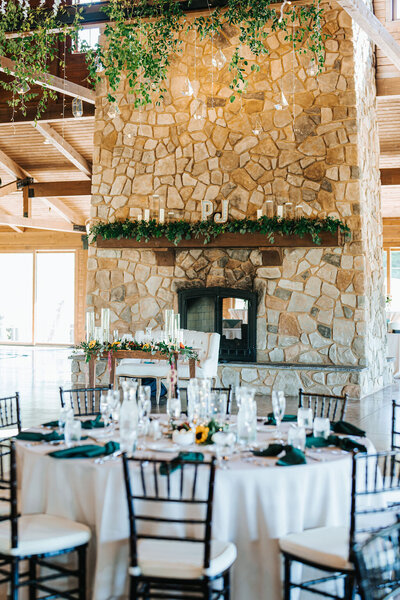
Rentals are another area where small adjustments can create noticeable budget changes. Couples often plan to rent the exact number of tables, linens, plates, and silverware based on their guest count. In practice, we usually recommend planning for ten or more additional settings to allow for vendor meals, last-minute seating changes, or backup pieces.
This becomes even more important when you are renting specialty linens or flatware. Many rental companies carry limited quantities of these items, and once they are booked for another event, they are no longer available. Planning for extra quantities early helps avoid shortages later and gives you flexibility if your guest count or needs change.
Service Fees, Gratuities, and Contract Details That Get Missed
Another common budget surprise comes from service fees and required gratuities outlined in vendor contracts.
Some catering companies include gratuity in their pricing, while others list a required percentage separately. That required amount is not optional, and if it is not accounted for early, it can feel like a significant jump in cost toward the end of planning.
Service fees can appear as administrative fees, staffing fees, or venue-related charges that are not always included in initial estimates. When couples are comparing vendors early on, these line items can be easy to overlook, especially when they are written into the contract rather than highlighted in the proposal.
Taking the time to review contracts carefully and understand what is included versus what is required later is one of the most effective ways to avoid budget surprises.
Vendor Meals, Parking, and Behind-the-Scenes Costs
Vendor meals are one of the most commonly forgotten wedding expenses. In Chicago, vendor meals typically start around $55 per person, and that number adds up quickly when you consider photographers, videographers, planners, entertainment, and any additional support staff.
Parking is another factor couples often do not think about until late in the process. Some venues require paid parking for vendors, valet arrangements, or specific load-in procedures that come with additional costs. These expenses are rarely discussed early on, but they are necessary to account for.
These behind-the-scenes costs may not be the most exciting part of planning, but they play an important role in keeping your vendors supported and your wedding day running smoothly.
Why Planning Experience Makes a Difference
None of these expenses are mistakes. They are simply details that are easy to miss when you have never planned a wedding before.
This is where working with an experienced planner makes a real difference. A planner does not just help you choose vendors or design a beautiful day. We help you understand how contracts, timelines, logistics, and staffing decisions impact your budget long before those costs appear.
We also know when it makes sense to repurpose items and when it does not, how to plan rentals strategically, and how to build a timeline that minimizes unnecessary add-ons. That perspective protects your budget and reduces stress as planning progresses.
Final Thoughts
A well-planned wedding budget is not about cutting corners. It is about knowing what to expect, planning ahead, and making informed decisions with confidence.
If you want support building a realistic wedding budget and timeline, Monarch Creative Events offers planning services at multiple levels. You can learn more about our services or send an inquiry through our website to see what level of support makes the most sense for your day.